PREPARE A COMPACT BRIEF
Write the one question and the one outcome before you call
Business name and phone, your name and any reference, the exact question, useful dates and times, and one sensible fallback if the first answer is no.
JAPAN DAILY LIFE
A business may have an English website but still answer the phone only in Japanese. Preparing a short, specific question and deciding what outcome you need makes the call faster and less error-prone.
Written by Satoshi Morinaga · Updated
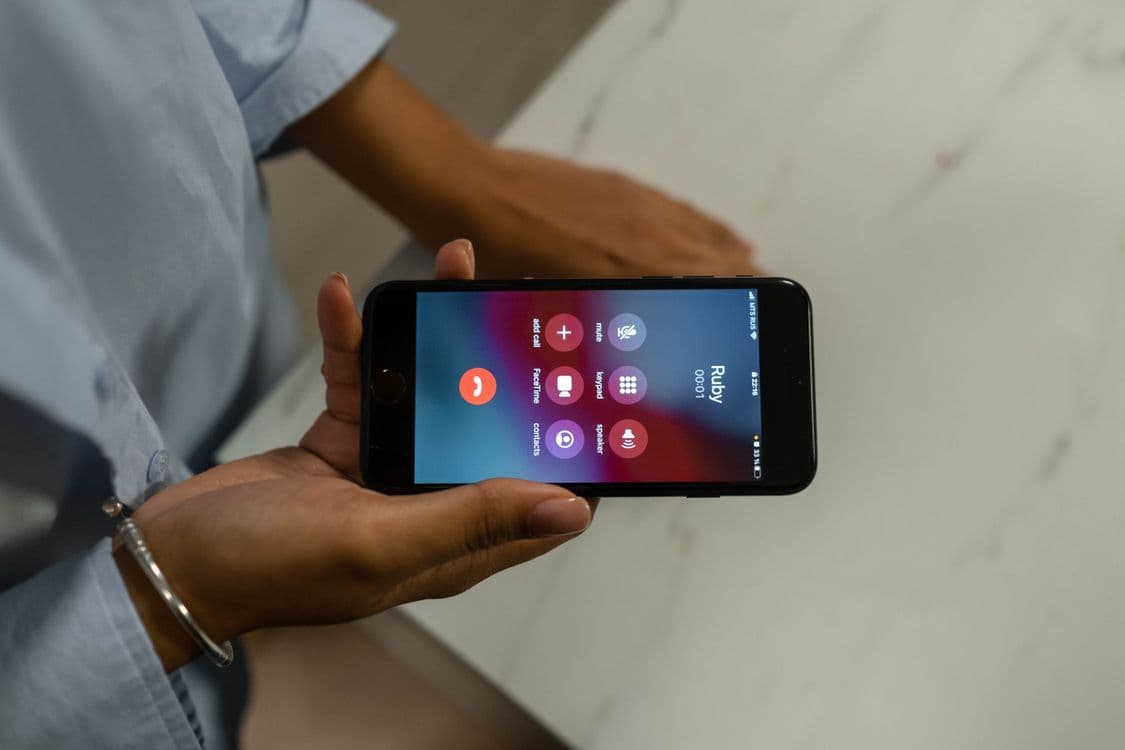
Prepare a short, specific question, decide what outcome you need, and check whether the business must verify that you are the account holder before you call. A clear request — and a clear answer to give when the business calls back — is the difference between a call that resolves the question and a call that ends in a callback request.
PREPARE A COMPACT BRIEF
Business name and phone, your name and any reference, the exact question, useful dates and times, and one sensible fallback if the first answer is no.
CHOOSE A CLEAR OUTCOME
A confirmed appointment with date and time, a direct answer to one routine question, a requested change with the original details, or the next step the business needs you to complete yourself.
KNOW WHEN TO CALL YOURSELF
Banks, mobile carriers, insurance companies, and immigration or government-issued ID processes require the account holder on the line. The caller cannot pass verification for you.
The kind of business controls the kind of call that works. A clinic, a repair shop, and a school office may all answer in Japanese and still use the same set of phrases, but the question you can resolve by phone is different for each. Match the request to the channel the business uses for that request, rather than trying to force a phone call on a process that needs an in-person or online form.
| Situation | Good use of a calling service | Better handled by you, directly |
|---|---|---|
| Routine inquiry (hours, prices, stock, directions) | Yes — the answer is a fact, not an account change | You can also ask the question through the business's contact form or chat |
| Change of details (pickup time, spelling, party size) | Yes — when the new detail is one of the alternatives you prepared | When the change needs payment, a card guarantee, or a new contract |
| Account verification — bank, mobile, insurance, immigration | No — the business must verify the account holder | You call directly, in person at a branch, or through the business's official portal |
| Reservation or appointment for a service you already understand | Yes — when the slot, service, and price are within your prepared range | When the service needs a deposit, an in-person assessment, or a name on a contract |
| Complaint, refund, or chargeback | No — the business needs to hear the issue from the person named on the receipt | You contact the business, the Consumer Affairs Agency, or your card issuer directly |
A short phrase — 'osobasho kakunin onegai shimasu' — usually signals that the business will only speak to the account holder about that topic. The caller can ask which topic the question falls into, but cannot stand in for you on a verification call. Banks, mobile carriers, insurance companies, immigration, and any office that issues or renews a government ID follow this rule. End the call politely, and pick up the phone yourself, visit a branch, or use the business's official portal with your own credentials.
Calling outside business hours is the most common reason a Japanese business asks the caller to call back. Office phones in Japan are typically answered from 9:00 to 18:00 on weekdays, and many small businesses close on Sundays and one weekday in addition. Late-morning, after lunch, and the hour before closing tend to be quieter for the staff who handle general calls. If the question can wait, time the call to the other side's schedule rather than your own.
Use this when the business lists an email address, a contact form, or an online inquiry page. A short written request often works for a phone-first business, because the staff who read it can take a moment to look things up. Do not include payment-card details, passwords, or images of identity documents. Replace the brackets, keep the request to one screen, and add or remove lines to match the question you want answered.
WRITTEN REQUEST TEMPLATE
Subject: Inquiry from a non-Japanese speaker — [one-line question]
Hello, I would like to ask a question about [topic] at [business name]. My name is [name], and I do not speak Japanese, so I am writing in English. My one question is: • [Write the single question in one sentence, with the date or item it refers to.] If the question can be answered in writing, please reply to this email. If a phone call is required, please let me know: • Which topic must be discussed on the phone • Whether the account holder must be on the line • A direct number and the best time to call (Japan Standard Time) A short reply in English is fine. If that is not possible, a one-sentence reply in Japanese is enough, and I will arrange a translator. Thank you. [Name] [Email] [Phone number with country code, if a callback is welcome]
A Japanese business often answers with a phrase that includes both the answer and the next step. Listen for a date, a time, a name, and a small instruction about what to bring or send. If any of those four is missing, ask one follow-up question before ending the call — not three. If the call still ends with 'we will call you back,' agree on a window and a number, then end the call politely. Do not read a long script over a line that is asking for one detail.
A short note taken during or right after the call is more reliable than memory, especially for dates, names, and reservation numbers. The business may not repeat the same detail a second time, and the next call — for a change or a follow-up — will go faster if the first call's record is on hand. A photo of the handwritten note, or a short entry in your phone, is enough.
For routine inquiries, schedule and appointment confirmations, and simple changes that do not require account-holder verification, MORISTACK can place a phone call in Japanese and report the business's answer back to you. MORISTACK does not handle calls to banks, mobile carriers, insurance companies, immigration, or any office that issues or renews a government ID, because those calls require the account holder on the line.
If you'd rather try the call yourself first, these phrases can help.
Need a routine business call made in Japanese? Send the details and request a call. MORISTACK does not handle calls that require account-holder verification.
Request a callMore from MORISTACK
MORISTACK also publishes MORISTACK Plan, a set of practical Japan travel guides on hotels, luggage, eSIM, JR passes, and city-office procedures — researched end-to-end, with a map and a written guide you can use yourself.
Browse Japan travel guides →This site uses Travelpayouts affiliate links. Loading their tracking is optional — accept to enable partner attribution, or decline to skip it. See the Privacy Policy.